How to Photograph Wetland Birds Without Disturbing Them
A grey heron in the shallows at first light is one of the great sights of any British wetland. It is also, far too often, the moment it lifts off and vanishes — because someone walked twenty metres too close with a lens they had not yet learned to use. Photographing wetland birds well is not really about megapixels. It is about patience, positioning, and knowing when to stand still.
Get close by staying still, not by moving faster
The instinct when you spot something good is to close the gap. Fight it. Wetland birds are used to a world of slow things: drifting weed, rising tide, other birds feeding. What they react to is a shape that moves directly towards them, and a silhouette on a skyline.
So do the opposite. Find a patch of cover — a reed edge, a bank of tussock grass, the landward side of a willow — and settle into it. Sit or crouch rather than stand. Wait a full twenty minutes before you blame the spot for being empty; birds that scattered when you arrived will often drift back once the shape stops moving.
Position yourself along a flight line or beside a feeding area rather than chasing it. On estuaries, waterfowl move with the tide, so a hide or a crouch placed where the water will arrive puts birds in front of you without a single step.
Learn to read the bird before it leaves
Disturbance rarely happens without warning. Birds broadcast their discomfort, and once you can read those signals you can back off before you cause a flush — which is better for the bird and better for the photograph.
- Head up, neck stretched. Feeding has stopped and you are being assessed.
- Drifting sideways. The bird is putting water between you and itself.
- Repeated glances over the shoulder. It is working out an escape route.
- A wing flick or a hop backwards. You are at the edge of its tolerance. Retreat now.
- An alarm call from another species. Lapwings and redshanks are excellent sentries. If they pipe up, everything else heard it too.
The rule that serves best is simple: when the bird changes what it is doing because of you, you have already gone too far. Back away slowly, diagonally rather than head-on, and stop as soon as the bird resumes feeding.
Hides, screens and quiet fieldcraft
A hide does not need to be a timber building. A bag hide, a scrim net thrown over you and a tripod, or a car parked on a permitted verge all break up the human outline. What matters is that you do not add a new silhouette to the landscape.
If you use a reserve hide, treat it as a shared space. Arrive before the birds settle rather than mid-morning, keep voices low, and be sparing with the shutter — modern bodies with a silent electronic mode are a genuine courtesy to both birds and birders. Never block more than one window, and never lean out of it.
In winter, cold is the enemy of good fieldcraft. Birds lose precious energy every time they are flushed, and a photographer who gives up after ten minutes because they are freezing will have caused disturbance for nothing. Thermal layers, a flask and a sitting mat are legitimate pieces of kit.
Lens choices and honest working distances
Reach matters, but no lens replaces fieldcraft. A 600mm pointed at a bird forty metres away still produces a small image with soft detail; a 300mm from a hide at ten metres produces something worth printing.
- 100–400mm zoom: the most flexible option for hide work and for waders that wander unpredictably.
- 300mm f/4 or 400mm f/5.6: light enough to handhold and quick to react when something flies past.
- 500–600mm: useful on estuaries and open water where waders keep their distance, but heavy and slow to reposition.
- Teleconverters: they add reach and cost light. On a dull morning that trade is often a bad one.
A crop-sensor body gives you a narrower field of view for the same lens, which helps with small waders, but it is worth remembering that a tighter crop does not make you any closer to the bird — the distance you need to manage is physical, not optical.
A useful gauge: if you can see the bird's eye clearly with your naked eye, you are almost certainly too close for comfort. Another: if the bird fills the frame only after cropping to a quarter of the file, you were too far away to be photographing it properly at all. Move to a hide or a different approach route instead of pushing forward.
Wetland problems worth planning for
Mudflats and reedbeds are hostile places for equipment. Salt spray and fine silt get everywhere; a rain cover and a microfibre cloth will save a session. Condensation forms fast when you carry a cold camera into a warm hide or a car, so let gear acclimatise in a bag. Reflections on open water eat contrast, and low winter sun means you may need to shoot from a direction you had not planned on, so scout positions at different times of day.
Timing matters more than technique. From early spring through midsummer, avoid pushing into reed margins, gravel spits and islands where birds may be nesting. In the UK, the Wildlife and Countryside Act 1981 gives extra legal protection to birds on Schedule 1, making it an offence to disturb them at or near an active nest; if you are unsure whether a site or species is covered, ask the reserve warden or the relevant statutory nature conservation body before you plan a session. Playback and call luring have no place around breeding wetland birds, and many reserves prohibit them outright.
What you do with the photograph afterwards
Ethics do not stop when you pack up. Turn off location tagging, and think twice before posting a precise spot for a scarce breeder or a photographed nest. Share the county, not the grid reference. If you see someone else pushing a flock too hard, a quiet word usually does more good than a public argument — and reporting persistent disturbance to the warden is the right call.
A field routine that works
- Check the reserve's rules and any permit requirements before you travel.
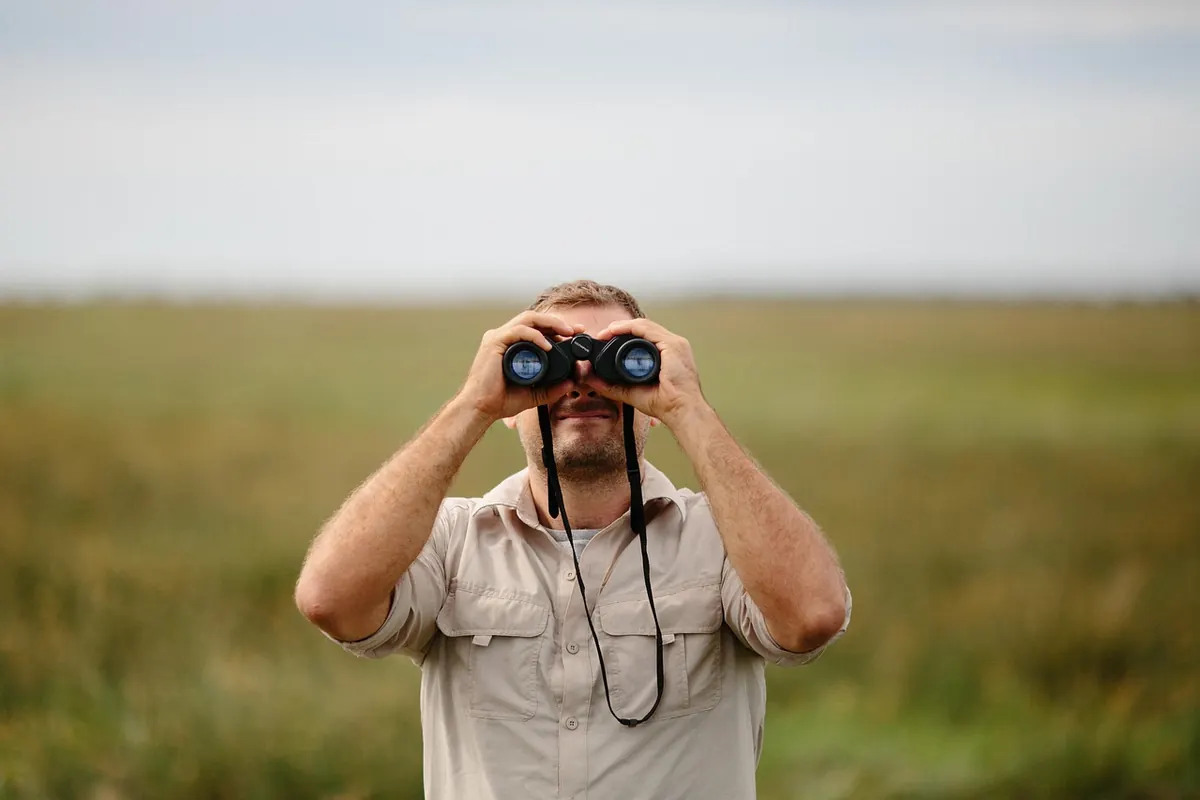
- Scan with binoculars first. Decide where the birds are, then plan a route that does not cross their feeding area.
- Arrive early, settle into cover and give it twenty minutes of stillness.
- Watch behaviour continuously. Retreat at the first sign of unease.
- Take the shot you can get honestly, then leave the bird as you found it — feeding, resting, undisturbed.
The best wetland photographs come from sessions where very little happened: a long wait, a slow drift of birds towards you, a few frames taken in flat light. That is the trade. Give up the chase and the wetland will often walk into range on its own.
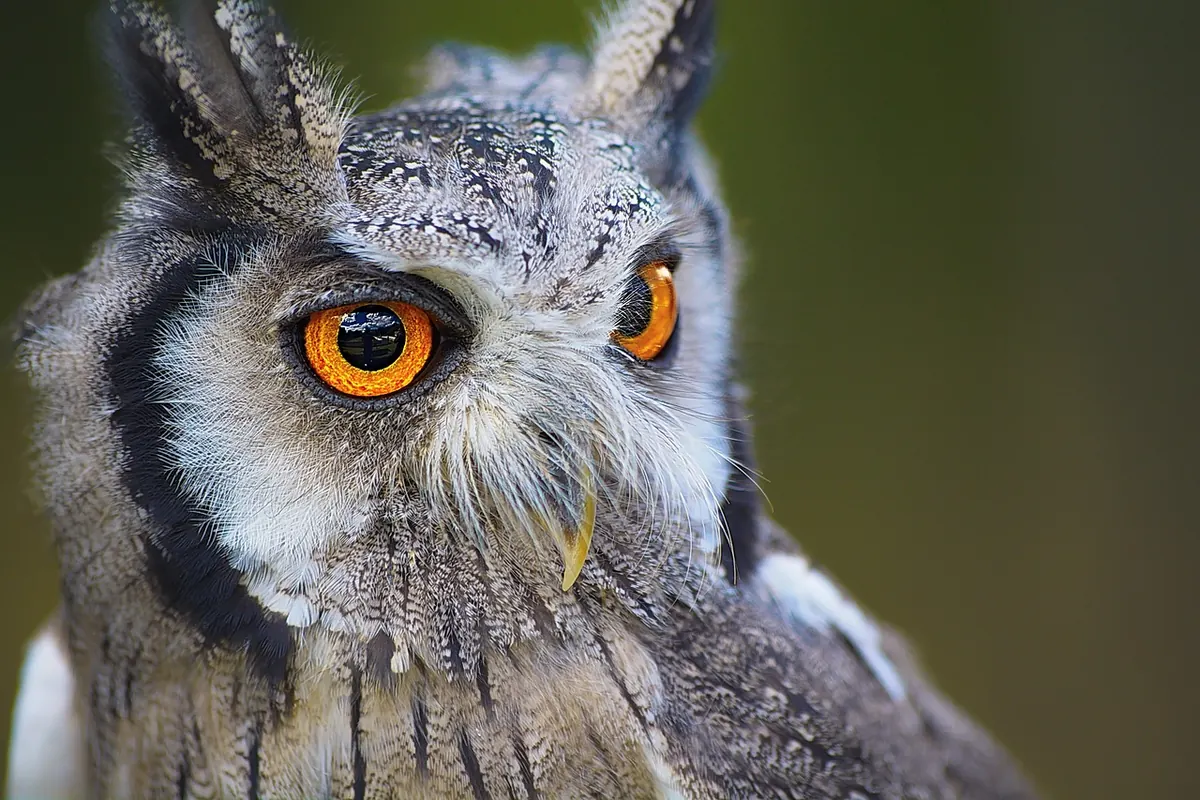
Photo: jayclarke1 / Pixabay