Why Some Wetlands Are Better in Winter: A Guide to Wildfowl Spectacles
A wet meadow in September can look like nothing much: flat grass, a few puddles, a grey heron standing about as if it has been left behind. Return in January and the same field may be holding hundreds of wigeon, a line of whooper swans, and geese dropping in from a roost two miles away.
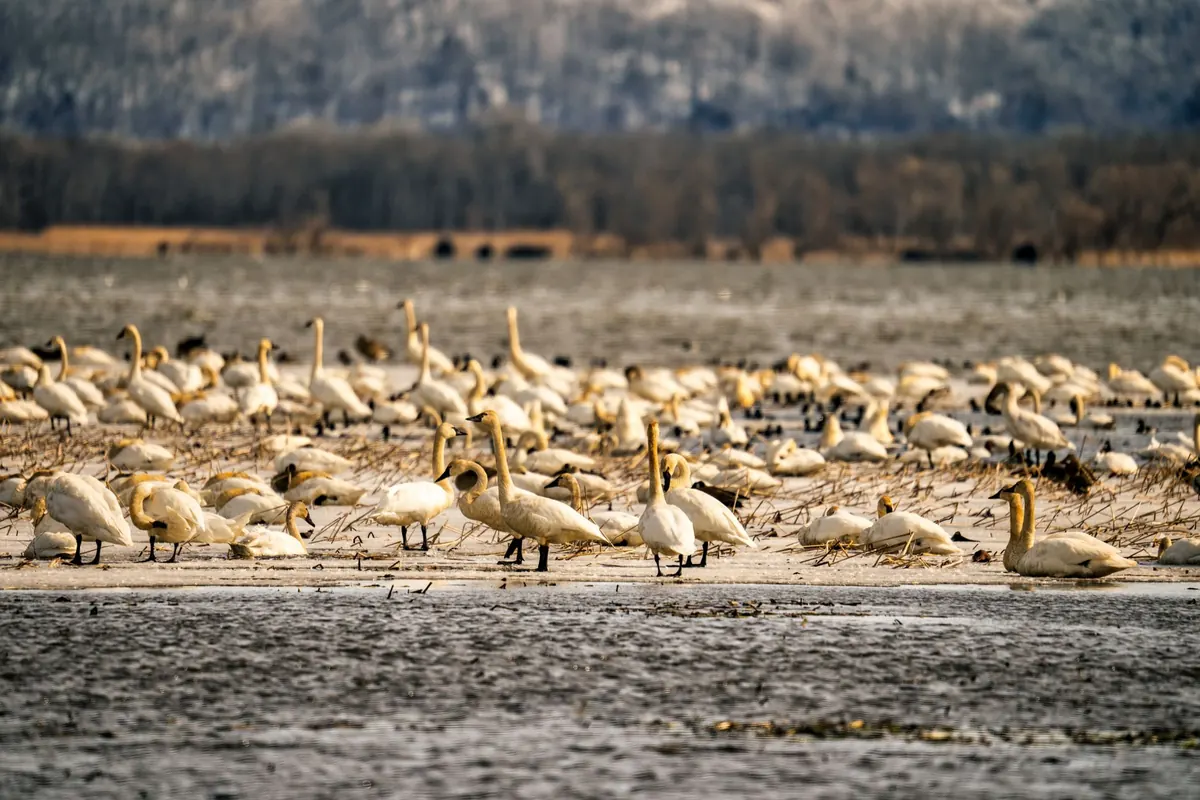
Winter is the season when British wetlands do what they are best at. The birds arrive for the same reasons we might find these places bleak and beautiful: shallow water that stays open when inland pools freeze, soft mud that can still be probed for food, and short grass that is easy to graze. For swans and geese from Iceland, Svalbard, Greenland and Arctic Russia, our mild, low-lying estuaries and floodplains are a genuine refuge. For the rest of us, they are the best free wildlife spectacle of the year.
What wintering wildfowl need
Three things, mostly: food within reach, water to rest and drink on, and space without disturbance. A good winter wetland offers all three in a small area, which is why birds concentrate rather than spread out.
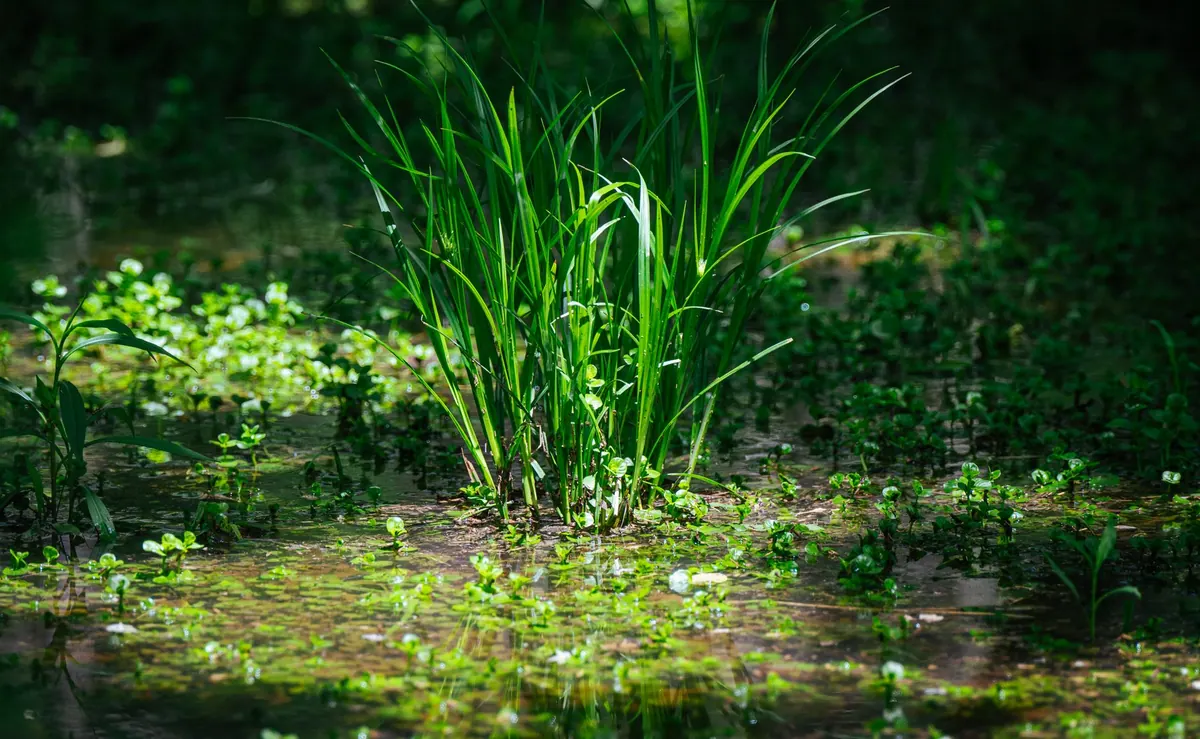
Wet grassland is the classic example. When fields are deliberately flooded in autumn, the water sits just inches deep over grass, and that shallow film suits wigeon and teal, which graze and dabble in it, and swans, which can upend without diving. Estuaries work differently: mud and sand exposed by the falling tide hold invertebrates, while eelgrass and saltmarsh plants feed brent geese and wigeon. Reservoirs and gravel pits, deeper and quicker to freeze, tend to attract diving ducks — goldeneye, tufted duck, pochard, and in a sharp cold snap, smew and goosander.
Weather matters as much as place. When temperatures drop and inland waters ice over, birds move, sometimes within a day. That is when the coast and the tidal reaches come into their own.
Where the great gatherings form
Anywhere with big shallow water and quiet margins has potential, but certain kinds of site reliably deliver:
- Estuaries and tidal flats. The Wash, the Humber, the Thames, the Dee, the Solway and Strangford Lough all hold internationally important numbers of ducks, geese and waders. Dark-bellied brent geese and shelduck dominate the east coast; pale-bellied brent winter around the Irish Sea.
- Flooded washland. WWT Welney on the Ouse Washes is the benchmark, with whooper and Bewick's swans, wigeon and teal on shallow flooded grass, viewed from heated hides and, in the evening, at the long-running swan feed.
- Coastal merse and saltmarsh. Caerlaverock on the Solway for Svalbard barnacle geese; Lindisfarne and the Northumberland coast; the north Norfolk reserves at Titchwell and Holme for brent geese.
- Reservoirs and gravel pits. Rutland Water, Abberton and countless local pits — good for diving duck and for gull roosts, which repay a patient scan.
- Lochs and loughs. Loch Leven for greylag geese and Iceland whooper swans, and quiet lowland lochs for goldeneye and goosander.
Two notes on expectation. The Bewick's swans that once wintered at Slimbridge in numbers are now far scarcer, though a few still return each year. And on any site, the birds are where the water and the food are, not where the leaflet says — so scan first and walk second.
Timing: the calendar, the clock and the cold
Arrivals begin in September and October, numbers build through November, and mid-December to late February is the core of the season. By March the whoopers and pinkfeet are heading north again.
Dawn and dusk
The best hours are the first and last of the day. At dawn, geese leave the roost in long lines and swans move off in family parties; at dusk, everything returns. In between, birds often loaf, sleep and drift out of range. Low winter sun is also easier on the eyes — and on optics — than the flat glare of summer.
Cold spells
A hard frost can be a gift. Unfrozen water concentrates birds, and the days after a cold snap often bring scarcer species westwards. Check local bird news the morning after a freezing night.
Tides: why the biggest days are best
On estuaries, the tide sets the timetable. As water pushes across the flats, birds are squeezed towards the shore, and everything ends up in front of you. The largest tides of the month — spring tides around the new and full moon — push furthest and concentrate most. The knot flocks at Snettisham are the famous example, but every estuary behaves the same way, and a strong onshore wind can add height and drama.
Low water, by contrast, is for waders spread across distant mud, which is fine if you enjoy scanning and frustrating if you don't. Check tide tables before you travel, and never walk out over sand or mud without knowing when the water returns. On some estuaries it moves faster than you can.
A winter day that works
- Check the tide and the forecast the day before, and choose your site accordingly: an estuary on a big high tide, or a managed wetland with flooded grass.
- Arrive before sunrise. Park where you are asked to, not on the verge.
- Start high — a bank, a sea wall, a hide with a wide view — and scan before you walk anywhere.
- Use hides quietly and give roosting flocks a wide berth.
- Spend the middle of the day on divers and grebes, and check gull roosts for something unusual.
- Be back in position for the last hour of light, and stay until you can barely see. Geese often arrive in waves after sunset.
- Note down what you saw and where the flocks were. It makes the next visit sharper.
Watching well: ethics and fieldcraft
- Stay in hides or on marked paths. Flushing a flock costs birds energy they need to survive a freezing night.
- Keep your distance, especially at roosts, and don't creep closer for a photograph.
- Keep dogs on short leads and out of wet grassland and roosts.
- Leave drones at home. They cause real disturbance, and they are usually banned on reserves.
- Don't feed bread or scraps to swans and ducks; use recognised feeds, or simply watch.
- Respect seasonal closures. All wild birds, their nests and their young are protected by law, and deliberate disturbance of sensitive species at sensitive times can be an offence.
A telescope beats a hopeful sprint every time. If the nearest birds are lifting their heads and shifting away, you are already too close.
Before you go
Ring or check the reserve's website the day before — hides close, floods arrive early and car parks fill on bright weekends. Take binoculars (8x42 is plenty), waterproof boots, warm gloves, a flask and a spare layer; a cold hide is no place to discover you have underdressed. Book ahead at the larger wetland centres if you are visiting at a weekend, and consider membership or a donation — the flooded fields and managed water levels that draw these birds are the result of deliberate, funded work.
Then go more than once. A wetland in December, January and February gives you three different spectacles, and the best visit is often the one that follows a hard frost.
Photo: Tom Fisk / Pexels