Beginner's Guide to Wetland Birdwatching: What to Take and How to Behave
Beginner's Guide to Wetland Birdwatching: What to Take and How to Behave
Reedbeds are slow places. A heron will hold the same pose for twenty minutes, a snipe will sit tight until you are almost on top of it, and the best bird of the morning is often a shape half-hidden in the stems that refuses to become anything at all. That slowness is the point. Wetland birding is less about spotting something dramatic than about learning to read water, mud, light, and wind—and then letting the birds come to you. The rewards are quiet but extraordinary: a bittern rising like a rusted hinge from the reeds, a kingfisher stitching a blue line across a dull channel, a flock of teal turning as one over a silver scrape.
If you are new to wetlands, the habitat can feel overwhelming. Everything is either too far away, too hidden, or too wet to cross. That is why preparation matters. The right kit keeps you warm, dry, and steady; the right behavior keeps the birds calm and the habitat intact. Below is what to take, how to act, and how to begin reading the wetland itself.
What to Take
You do not need expensive gear to enjoy wetland birdwatching, but a few basics make the difference between a pleasant hour and a miserable one. Wetlands are often cold, exposed, and muddy, even in summer. Think in layers, and think about water.
Optics and Field Craft
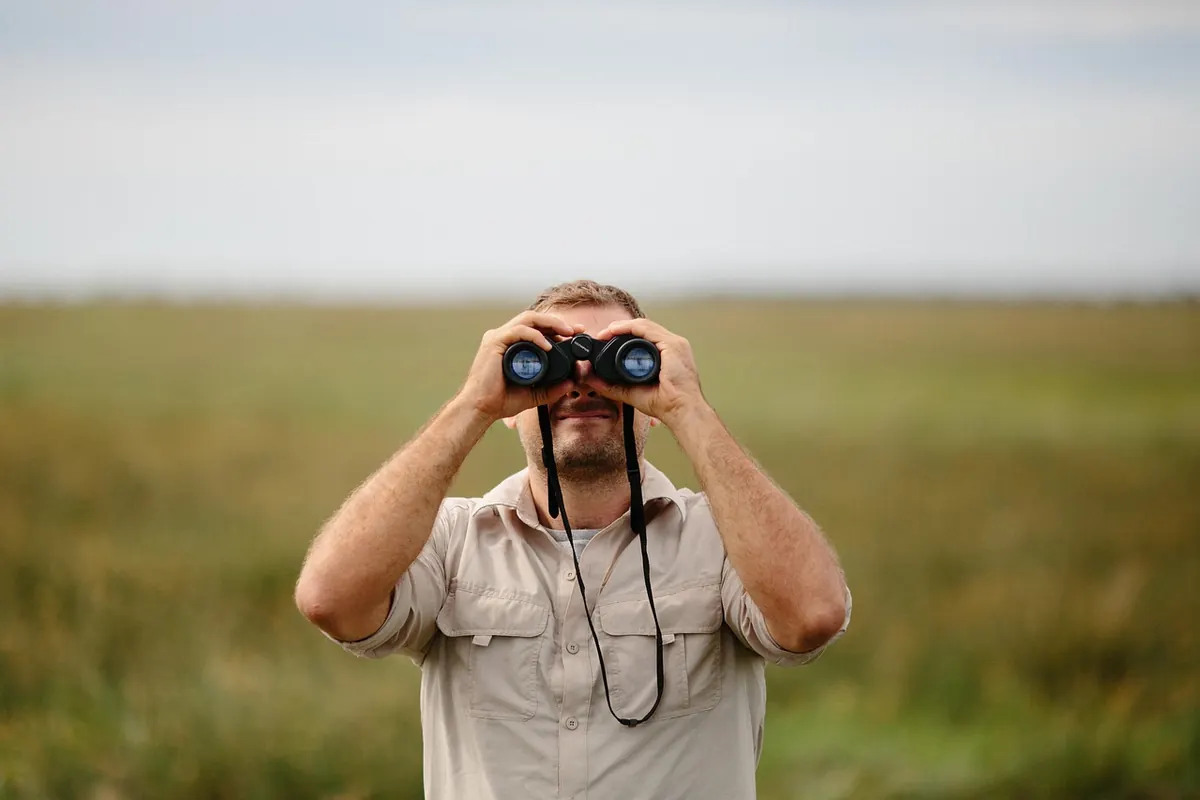
- Binoculars: 8x42 or 10x42 are the sweet spot for beginners. They gather enough light for dawn and dusk, and they are manageable in wind.
- A spotting scope: optional, but useful on large open water where birds sit at distance. If you bird with others, share the view.
- A field guide or app: choose one that covers your region and shows silhouettes, flight patterns, and seasonal plumage.
- A notebook and pencil: jot down time, weather, tide, and behavior. Patterns appear when you write them down.
- Lens cloth and waterproof cover: spray, mud, and rain are part of the experience.
Clothing and Footwear
- Waterproof boots or waders: mud can be deeper than it looks. Wellington boots are fine for boardwalks; knee-high boots are better for wet trails.
- Layers: base layer, fleece or wool mid-layer, and a windproof, waterproof outer shell. Avoid noisy fabrics.
- Neutral colors: greens, browns, greys, and muted blues blend into reeds and water. Bright white and neon red announce you before you arrive.
- Hat and gloves: a brimmed hat cuts glare and keeps rain off glasses; thin gloves let you focus binoculars in cold weather.
- Spare socks: a small luxury if you slip into a puddle.
Safety and Comfort
- Water and snacks: wetlands are often far from shops, and low blood sugar makes you impatient.
- Sun protection: open water reflects UV, even under cloud.
- Insect repellent: mosquitoes and midges can be fierce near standing water.
- First-aid kit: plasters, blister care, antiseptic, and any personal medication.
- Phone or map, tide table, and headlamp: tides can cut off mudflats and paths. Know when the water turns.
- Walking pole: helpful on slippery boardwalks and uneven marsh edges.
How to Behave
Wetland birds are not just shy; they are tuned to movement, sound, and water level. A single careless step can send a flock of wigeon into the air and ruin the morning for everyone. Good behavior is not about being secretive. It is about being predictable and unthreatening.
Move Slowly and Speak Softly
Walk at half your normal pace. Pause often. Let your eyes adjust to the reeds. If you must talk, keep your voice low and brief. Sudden gestures—pointing, waving, raising a camera too quickly—read as danger. Raise binoculars slowly, and keep your body still while you scan.
Keep Your Distance
Use optics to close the distance, not your feet. If a bird changes posture, stops feeding, or looks directly at you, you are too close. Back away slowly. Never approach a nest, a chick, or a roost. In spring and summer, flush distance matters more than at any other time; a bird forced off a nest can lose eggs to cold or predators in minutes.
Use Hides and Boardwalks Well
Hides are gifts. Enter quietly, close doors gently, and avoid crowding the windows. If someone is already watching a bird, wait your turn. On boardwalks, keep to the center and avoid drumming your feet. The vibration travels through the structure and into the water.
Respect Rules, Dogs, and Other People
Stay on marked trails, even when the mud looks firm. Do not play recordings to lure birds, especially in breeding season. Do not feed birds to get a closer view. Keep dogs leashed or leave them at home; wetlands are not dog parks. Follow reserve signs, permit requirements, and seasonal closures. If you see someone disturbing wildlife, report it to staff rather than confronting them.
Reading the Water, Mud, and Reeds
The best wetland birders are not the ones who know every species. They are the ones who know where to look. A wetland is a mosaic of edges, and birds use each edge differently.
- Open water: scan for divers, grebes, cormorants, and ducks. Look for ripples, wakes, and shapes that vanish between waves.
- Mudflats: feeding shorebirds gather where water meets mud. Watch the tide line; as it moves, the birds move with it.
- Shallow margins: herons, egrets, and spoonbills stalk here. A motionless grey shape may be a post—or a bittern.
- Reedbeds: listen for reed warblers, bearded tits, and water rails. Watch for stems that twitch when there is no wind.
- Islands and spits: roosts and nesting colonies. Use a scope from a distance and never land a boat or drone nearby.
- Treelines and hedges: kingfishers, raptors, and passerines use these as perches and corridors.
Weather matters too. A falling tide concentrates food; a rising tide pushes birds closer. Cold snaps bring ducks inland; warm fronts bring migrants. Wind can flatten a reedbed or create a lee where birds shelter. Note these things, and your predictions will improve.
A Simple Routine for Your First Visit
- Arrive early or stay late. Dawn and dusk are when wetlands are most alive, and the light is kind to beginners.
- Stand still for five minutes. Let the habitat settle around you. Listen before you look.
- Scan from near to far. Start with the water at your feet, then the middle distance, then the horizon. Use your naked eye first, then binoculars.
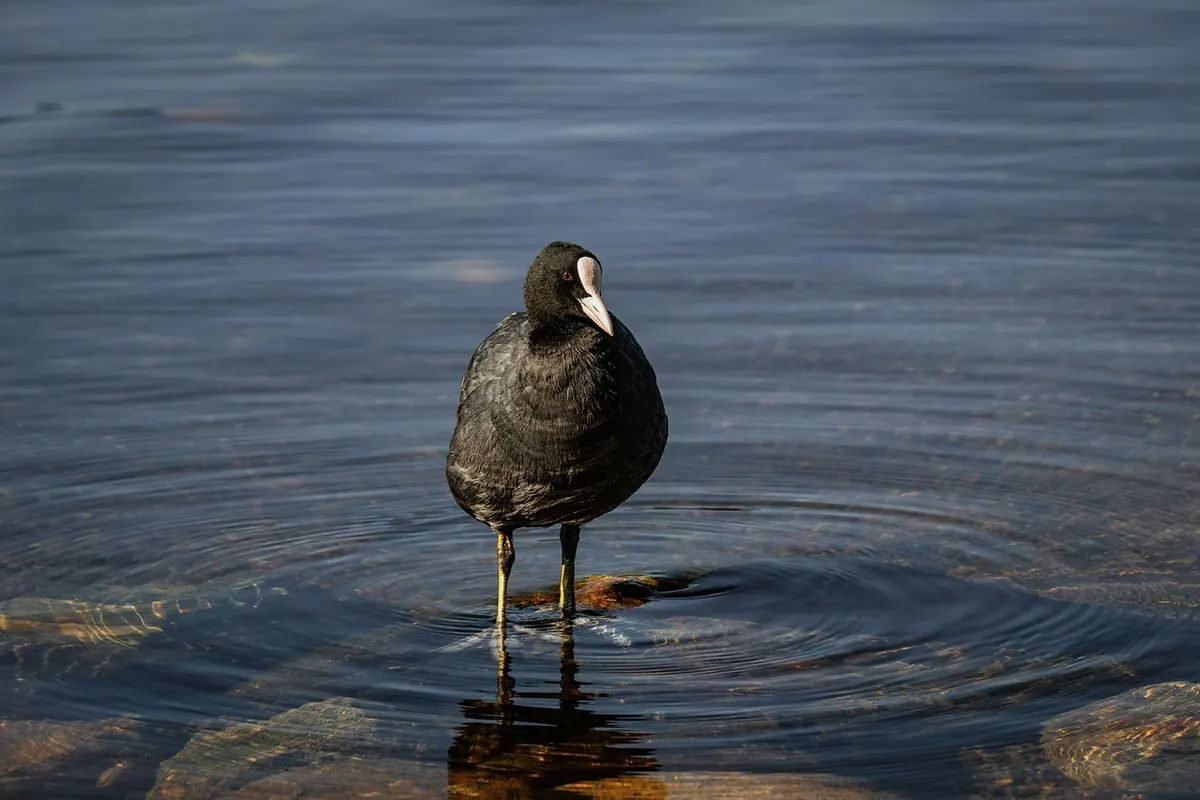
- Identify one bird well. It is better to watch a single moorhen preening for ten minutes than to chase ten half-seen shapes.
- Record what you saw and heard. A few notes will anchor the memory and teach you your local patch.
- Leave no trace. Take all rubbish home, stay on trails, and leave the reeds exactly as you found them.
Wetland birdwatching is a practice of attention. The birds are not hiding from you; they are living at a different speed. Match it, and the whole marsh opens.
In the end, the beginner's guide is simple: bring less than you think, wear more waterproofing than you think, and move as if the mud, the water, and the light are all watching. They are. The reward is not a list, but a shift in perception—the moment a patch of reeds becomes a bittern, a ripple becomes an otter, and the slow morning becomes the best kind of morning.
Photo: Couleur / Pixabay